How to Design a Retaining Wall
A retaining wall is not just decorative — it must hold soil, manage water, prevent erosion, and stay stable for years.
The difference between a failing wall and a long-lasting one comes down to drainage, and proper installation.
Here is how a professional retaining wall is designed and built — and how the right upgrades protect your property long-term.
Step 1 — Start With Purpose (What Must the Wall Do?)
Before choosing materials, we define the job:
- Hold back soil and prevent erosion
- Stabilize slope or hillside
- Create level usable space
- Support driveway, path, or structure
- Form raised beds or terrace yard
- Improve drainage and control runoff
When the purpose is clear, we design the correct height, structure, reinforcement, and drainage from the start.
Step 2 — Site Evaluation (Critical for Long-Term Stability)
Most wall failures happen because of poor base or drainage — not materials.
We inspect:
- Soil condition and pressure load
- Water flow and drainage patterns
- Slope, grade, and elevation change
- Wall height and reinforcement needs
- Surrounding structures and safety
Why this matters
Water pressure and weak base cause walls to lean, crack, or fail.
Proper evaluation prevents costly structural problems later.
Step 3 — Choose the Right Wall Type
Different walls serve different structural needs.
Common Retaining Wall Types
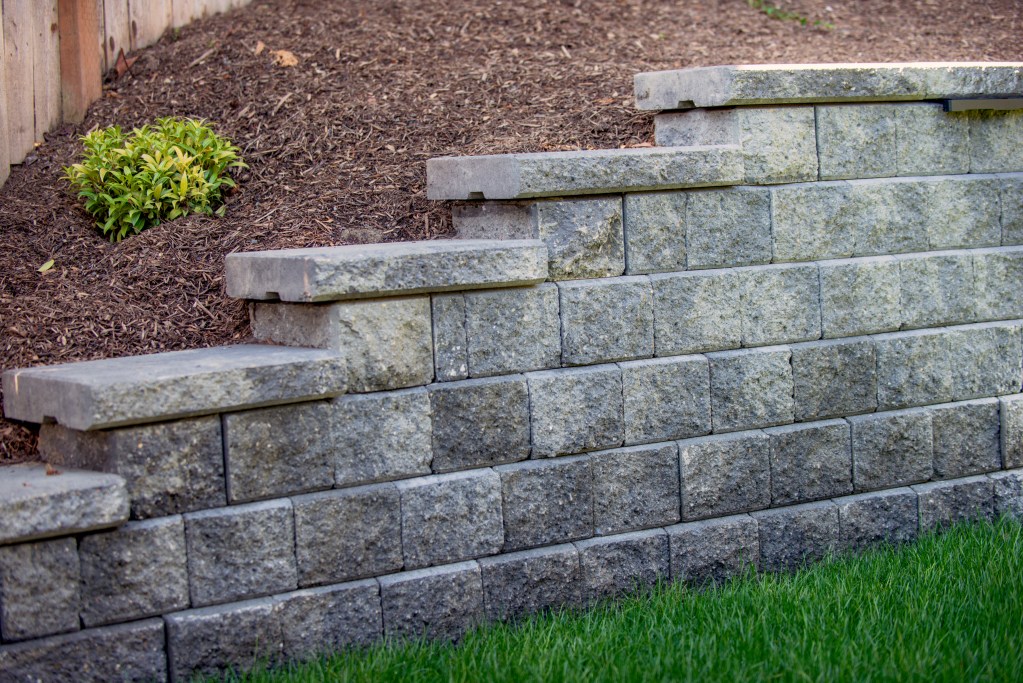
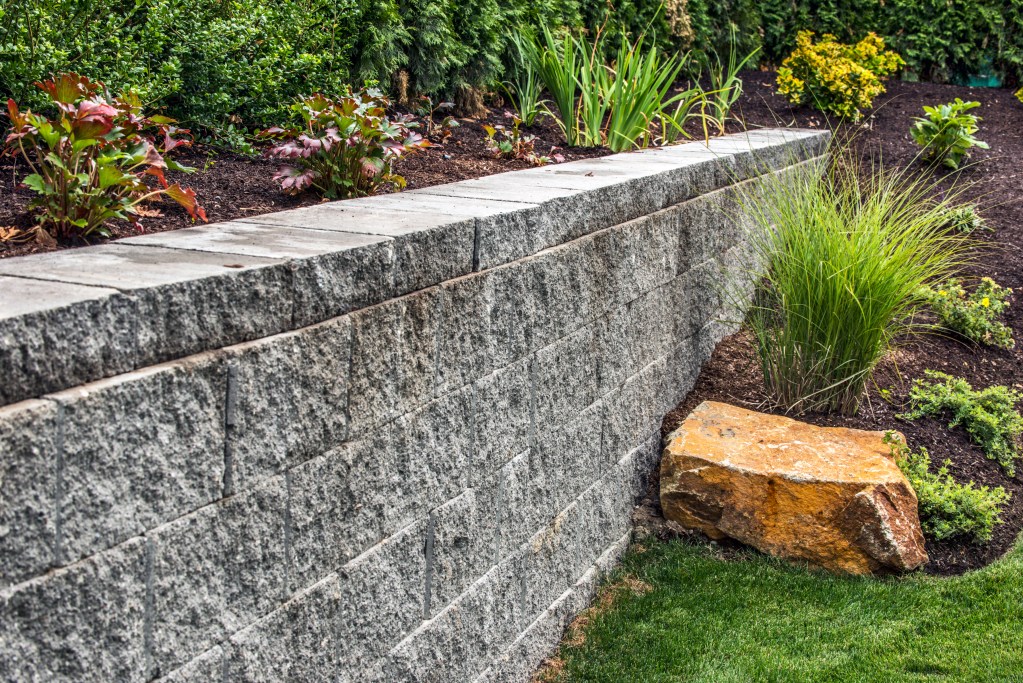
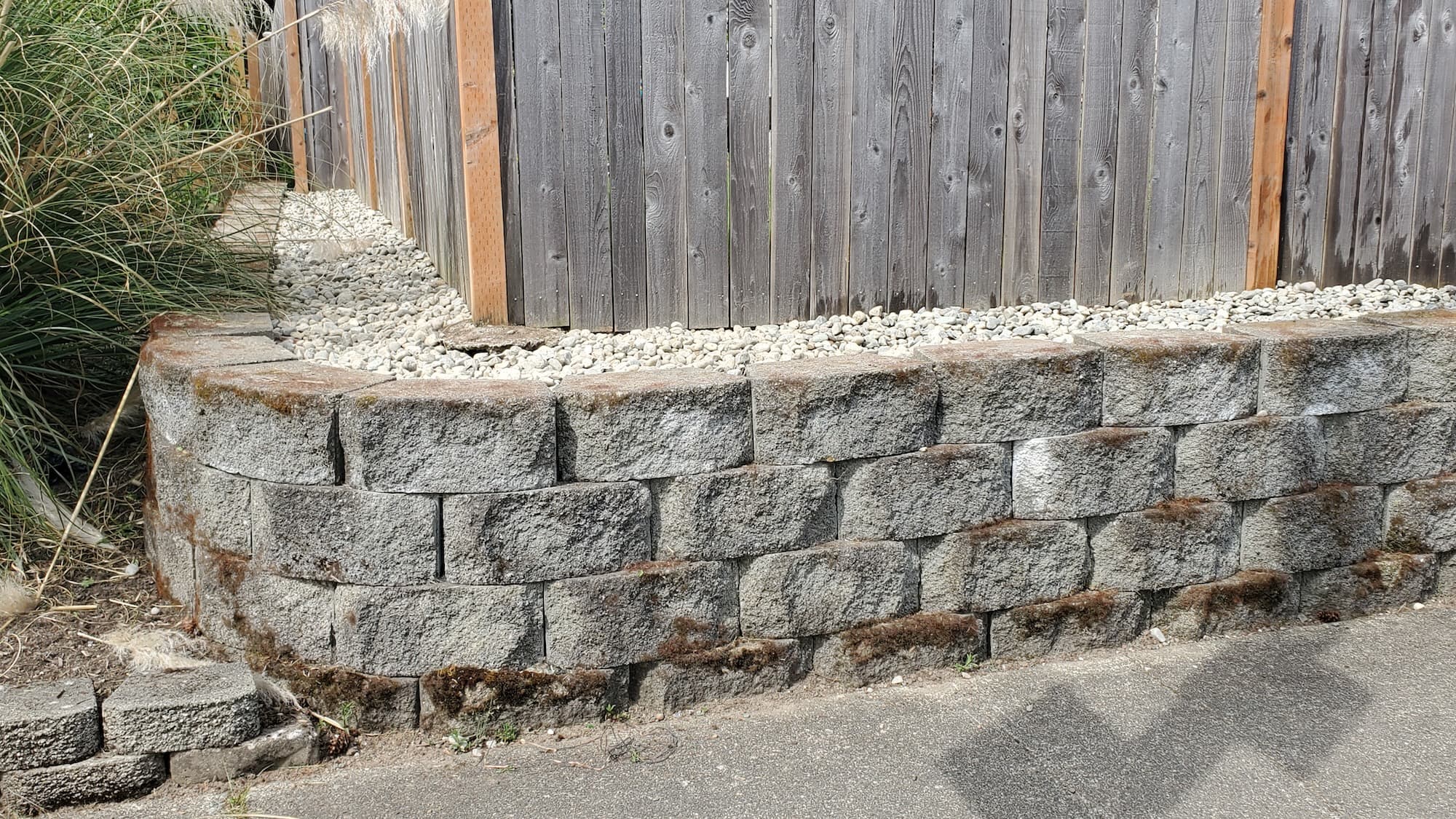
Segmental Concrete Block Wall
- Strong, interlocking system
- Flexible and long-lasting
- Best for most residential walls
Gravity Wall (Stone or Large Block)
- Uses weight for stability
- Good for low to medium walls
Natural Stone Wall
- Decorative, natural look
- Strong when properly built
Timber Wall
- Budget-friendly
- Best for small garden or low-load areas
We recommend materials based on height, load, drainage, and lifespan — not just appearance.
Step 4 — Drainage & Foundation (The Most Important Part)
Water buildup behind a wall causes pressure — and pressure causes failure.
A professional wall must manage water correctly.
Proper Drainage System
- Perforated drain pipe (French drain)
- Gravel backfill for water flow
- Filter fabric to prevent clogging
- Water exit paths to relieve pressure
Strong Foundation
- Excavation to proper depth
- Compacted crushed rock base
- Level, reinforced footing when required
Result
- No leaning
- No cracking
- No blowouts
- Long-term structural stability
Step 5 — Build With Strength & Precision
Once the base and drainage are correct, the wall is built for durability.
- Accurate block or stone placement
- Proper reinforcement where needed
- Clean alignment and leveling
- Secure backfill and compaction
- Finished caps for protection and appearance
High-Value Upgrades (Most Requested)
These upgrades improve performance, safety, and appearance:
- Geogrid reinforcement for taller walls
- Multi-tier or terraced wall systems
- Integrated drainage solutions
- Wall caps for protection and finish
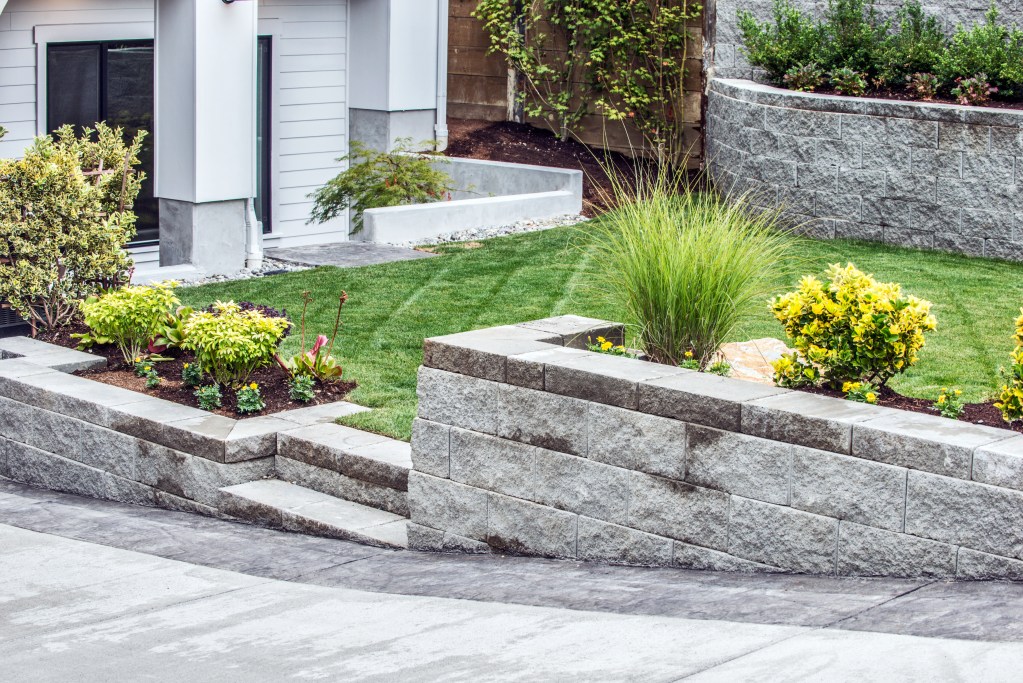
- Steps and transitions between levels
- Retaining + landscape integration
- Lighting for safety and design
- Soil stabilization and erosion control
Adding upgrades during installation is far cheaper than fixing problems later.
Common Retaining Wall Projects
Slope Stabilization Wall
Prevents soil movement, erosion, and drainage damage on hillsides.
Terrace / Leveling Wall
Creates flat, usable yard space from sloped terrain.
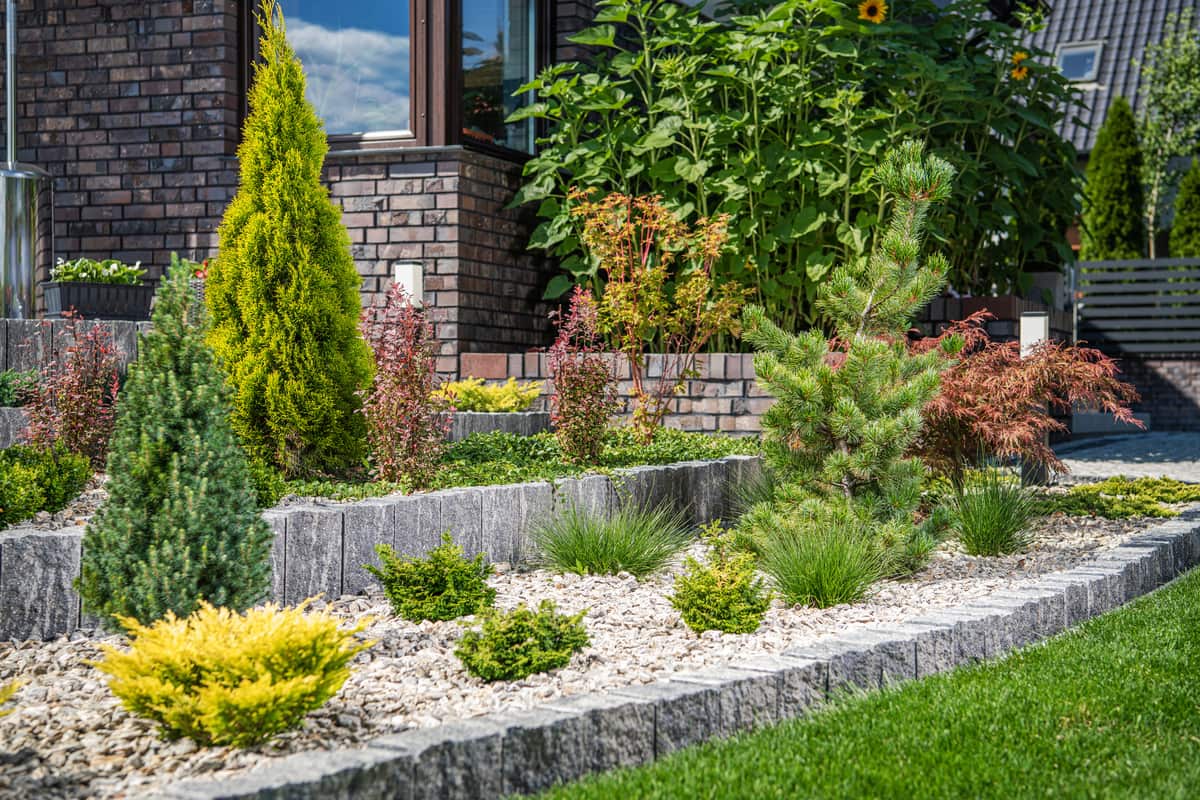
Garden Bed Retaining Wall
Controls soil while improving structure and appearance.
Structural Support Wall
Supports driveways, walkways, and surrounding landscape.
Why Professional Installation Matters
A retaining wall is structural — not cosmetic.
Built correctly, it:
- Holds soil safely
- Drains water properly
- Resists movement and pressure
- Lasts for decades
- Protects your property
Built poorly, it:
- Leans or cracks
- Traps water
- Fails under pressure
- Requires expensive rebuild
Get a Retaining Wall Built Right
Every property is different. A proper plan considers:
- Soil and drainage conditions
- Wall height and pressure load
- Structural reinforcement needs
- Layout and design goals
- Budget and long-term durability